
Music
By teaching music as a liberal art, the department appeals to an ancient tradition that places music among the most important disciplines for forming the intellect. To this end, our program pursues the acquisition of pra…
Overview
ROOTED IN TRADITION. ELEVATED BY EXCELLENCE
By teaching music as a liberal art, the department appeals to an ancient tradition that places music among the most important disciplines for forming the intellect. To this end, our program pursues the acquisition of practical skills along with a rigorous intellectual formation in musical thought.
Skills you Will Gain
1. Performance. Applied music study provides the context in which music students can actualize both the affective and intellectual faculties of their musical personalities in preparation for both individual and collaborative performances.
2. Theory. Whether or not you focus on composition, a working knowledge of music theory develops your ear for sound, strengthens your performing ability, and encourages free exercise of musical imagination within the tradition of Western music.
3. History. With a solid foundation in the Church's sacred music and Western music, you will find the language to articulate your own musical identity and the context in which to receive and promote the gift of our rich musical heritage.
Auditions
Audition
Admission to the Music program at AMU is by acceptance through audition. Students must complete an in-person audition or in the event that visiting campus is not possible, must send video-recorded auditions. The Music Department Auditions Days coincide with the Ave Maria Experiences. Please sign up for the AME here. Once your visit is confirmed, please also complete the "Request Audition" form below.
Music Department Audition Requirements
Students should prepare 2-3 pieces of contrasting style and tempo from the classical repertoire. While a student may include one song from Musical Theater or Broadway, Pop/Jazz/Contemporary songs are unacceptable.
Repertoire should include pieces from the following, with at least one selection from a foreign language, and must be performed from memory:
- Italian art song or aria
- German lied
- French mélodie
- American art song
Students should prepare 2-3 pieces of contrasting styles that best represent the applicant's abilities on the piano. Pieces from the Jazz and Ragtime repertoire may be accepted but are not recommended.
Repertoire of the following styles are preferred and recommended:
- Movement from a classical sonata (Clementi, Haydn, Mozart, Beethoven)
- Polyphony (J. S. Bach)
- Selection from the Romantic era
Students should prepare 2 pieces from their performance repertoire as well as a few verses of a hymn tune.
Repertoire should include the following:
- One work from J. S. Bach
- One piece composed after 1800 in a contrasting style
- One movement from a concerto or sonata
- One unaccompanied work or étude (e.g. Bach, Kreutzer, Popper)
- Scales: Four complete three-octave major scales (violin/viola); Four complete two- or three-octave major scales (cello)
- Two contrasting pieces or études (e.g., from Rose, Ferling, Voxman)
- Scales: Four complete two-octave major scales (flute/clarinet three-octaves when applicable)
- Optional: Demonstrate any secondary instruments (e.g. piccolo, English horn)
- One lyrical and one technical solo or étude (e.g., Arban, Bordogni, Rochut, Clarke)
- Scales: Four complete two-octave major scales with arpeggios
- Optional: Demonstrate articulation studies
- Snare Drum: Rudimental or concert-style étude
- Mallet Percussion: One solo or étude (e.g., for marimba, vibraphone) and four complete two-octave major scales
- Timpani (Optional): Solo or excerpt
- Optional: Demonstrate any specialty instruments (e.g., steel drum, djembe)
Submit 2-3 original compositions, which may include:
- Solo, chamber, choral, or electronic works
- Scores in PDF format by notation software
- Optional: MIDI or live recordings (MP3 or link to audio)
Interview with composition faculty to discuss:
- Creative influences
- Prior training in music theory and performance
- Artistic goals and interest in composition
- Optional: performance by memory on primary instrument
Once your Audition Request form has been reviewed, Professor O'Neil will reach out to confirm your audition details.
Dive Deeper
Inside the Music Program
Isabelle Aubin, M.M.
Staff Collaborative Pianist; Adjunct Instructor of Music
Email: isabelle.aubin@avemaria.edu
Phone:
Office:
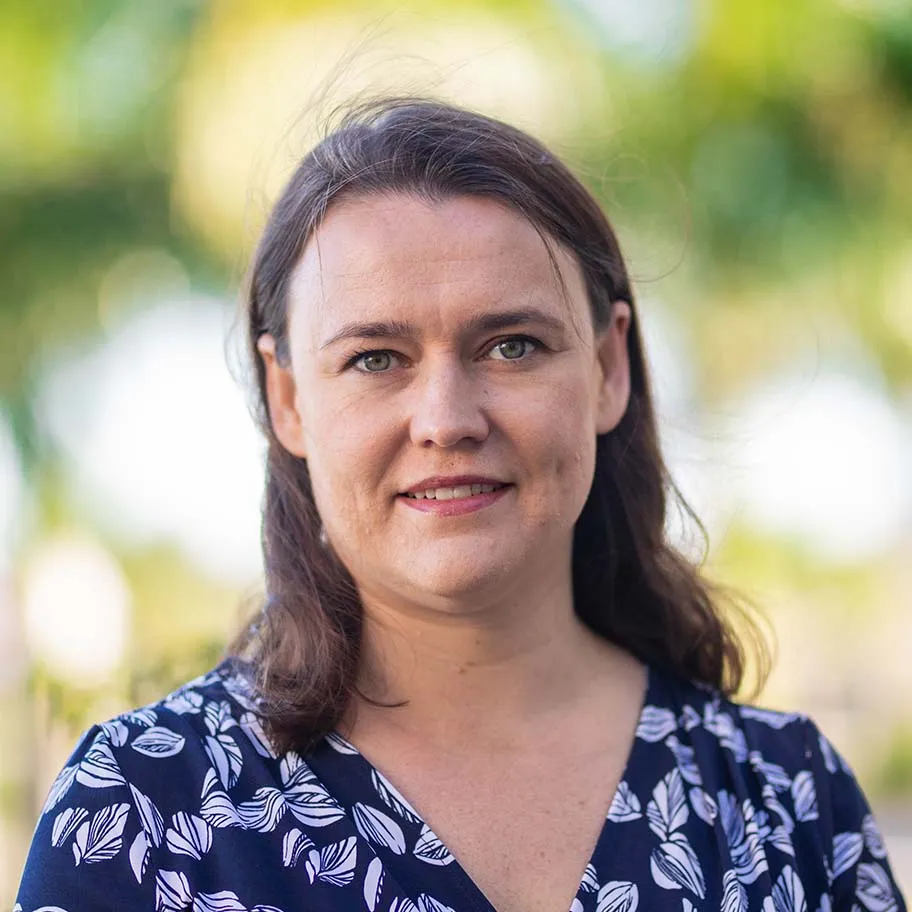
Alexandra Carlson, D.M.A.
Adjunct Instructor of Music
Email: alexandra.carlson@avemaria.edu
Phone:
Office:
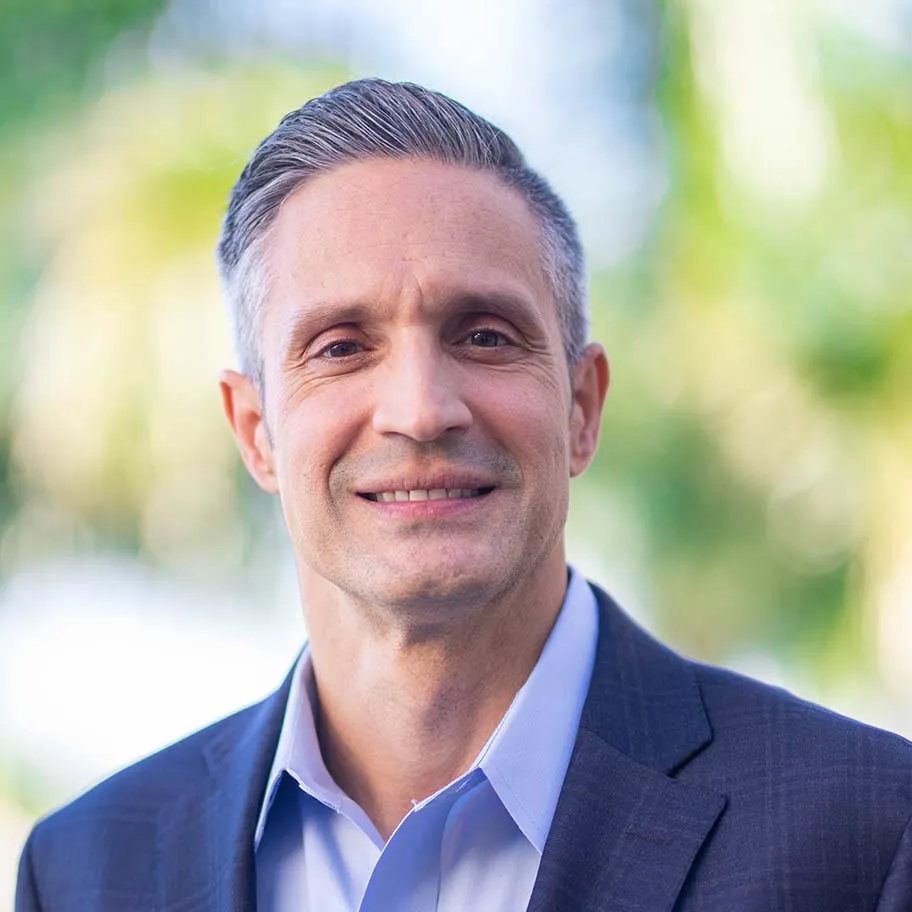
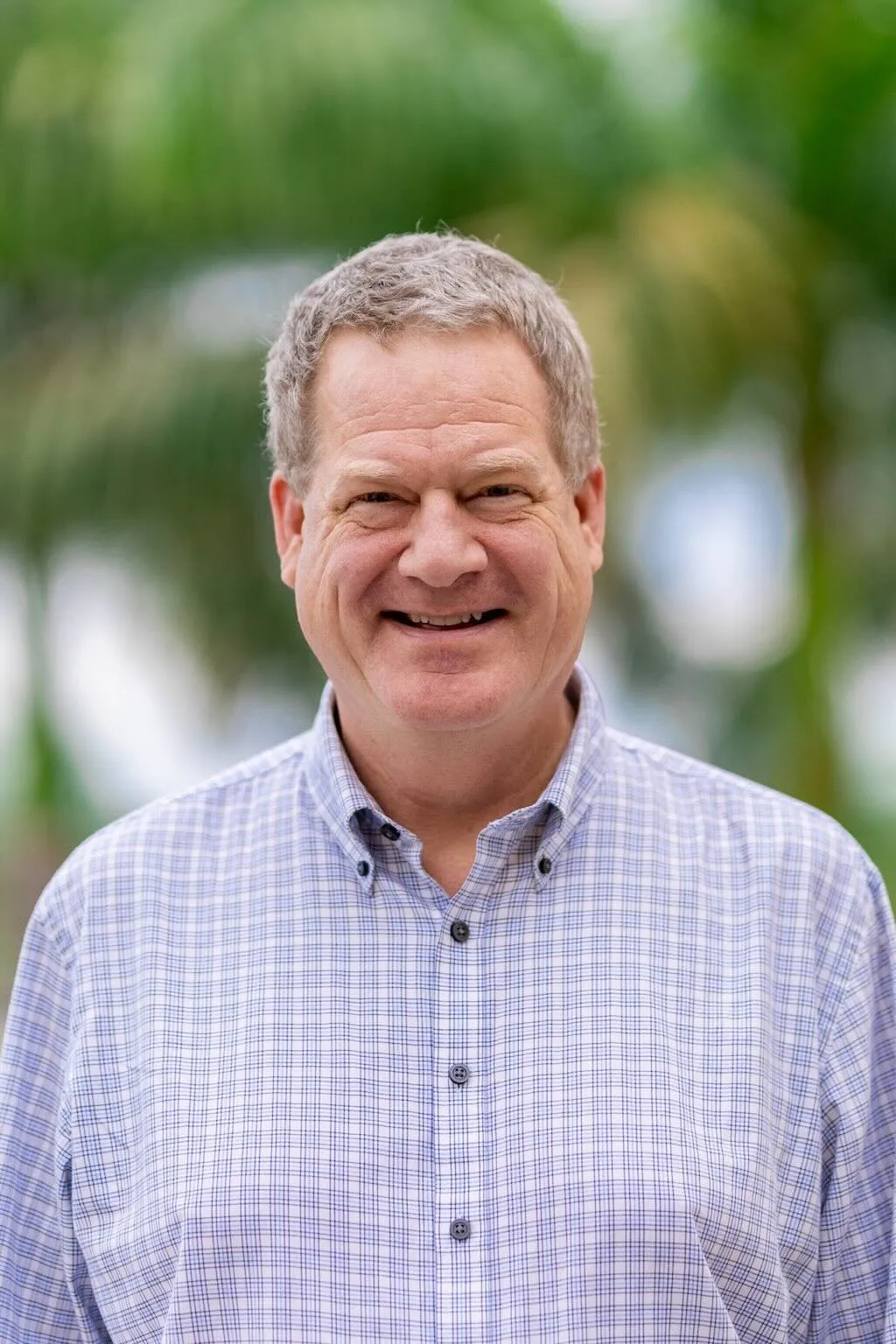
Taylor Ferranti, D.M.A.
Chair of the Music Department; Associate Professor of Music
Email: taylor.ferranti@avemaria.edu
Phone: (239) 280-1592
Office: Canizaro Library 251
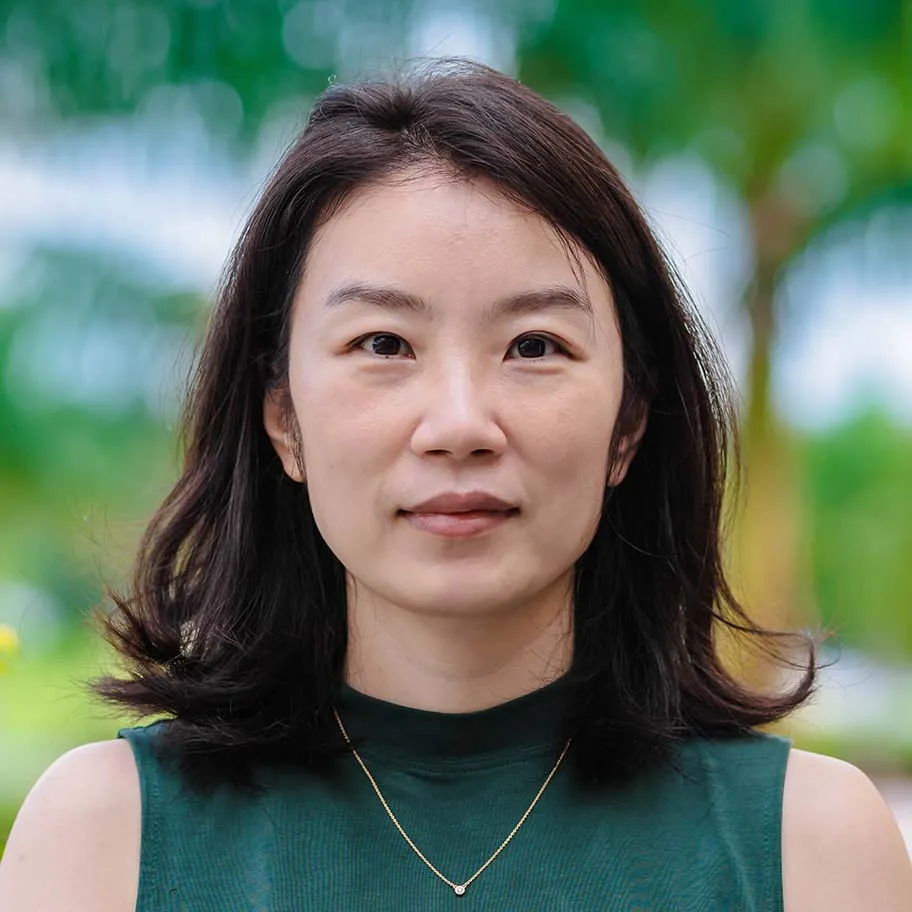
Seunghee Lee, Ph.D.
Associate Professor of Music
Email: seunghee.lee@avemaria.edu
Phone: (239) 280-1588
Office: Canizaro Library 252
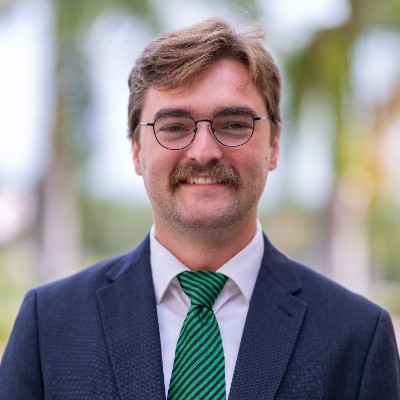
Trenton Phillips O'Neil, M.M.
Instructor of Music; Director of Sacred Music
Email: Trenton.Oneil@avemaria.edu
Phone: (239) 304-7157
Office: Canizaro Library 256
Take the Next Step
Ready to begin your journey in Music?
Apply today, request more information, or talk with an admissions counselor about how this program fits your vocation.